

Thank You Page: What's the Perfect Structure to Get More Engagement?
Summary (TL;DR)
In this post, we're going to talk about the strategic importance of Thank You Pages and how they can positively impact the user experience. They go far beyond a simple “thank you” and are essential for confirming successful actions, reinforcing brand identity and engaging visitors.
We'll discuss how these elements can turn leads into brand fans, creating stronger connections and opportunities for new conversions.
We'll also cover the ideal structure for an effective thank you page, including elements such as personalization, brand reinforcement, calls to action and social proof. You'll understand how to take advantage of this space to further engage the customer and even increase conversions.
Finally, we'll explore creative strategies and mistakes to avoid in order to maximize the results of this tool. Let's go?
Quick access
- What is a thank you page and why is it so important?
- Essential elements of an effective thank you page
- Strategies to increase engagement on the thank you page
- Mistakes you should avoid when creating a thank you page
- Practical examples of successful thank you pages
- Final thoughts: Turn your thank you page into a retention and sales strategy
In the digital world, a thank you page (or Thank You Page) goes far beyond a simple “thanks”. It's the first impression your customer has after completing an important action on your site: whether it's downloading an e-book, filling in a form or completing a purchase. And why is this so important? Because user experience counts - a lot.
According to Zendesk, 73% consumers switch brands after several negative interactions, and more than half of them flee to a competitor after just one bad experience. Now, here comes the positive side: 64% of people are willing to spend more when your problems are solved in the same place.
If we think of a conversion scenario, the thank you page is the equivalent of the handshake after closing a deal. It confirms that everything went well, This shows that you value your visitor and also opens doors to new opportunities.
When done well, it turns a simple lead into a fan of your brand, without them even realizing it. That's why investing in a strategic Thank You Page can be the difference between engaging the customer even more or letting them walk away.
Understand how this strategy works and the perfect structure for engagement. Let's go?
What is a thank you page and why is it so important?
A Thank You Page is one in which the user arrives after taking an action on your site, Such as filling in a form, downloading material or completing a purchase.
It serves as an immediate confirmation that the interaction was successful, eliminating any doubt or insecurity about the process. More than that, it is a gesture of courtesy and recognition for the user's time and attention.
As well as informing you that the action has been successfully completed, these pages play a strategic role for your business. They end the stage of converting the visitor into a lead or customer, but also open up the possibility of engaging them further.
And why does that matter? Because the moment after conversion is one of the most powerful to strengthen the relationship with the customer. This is where you can direct them to the next step - such as learning about your services, sharing feedback or even making another conversion.
In short, a well-thought-out thank you page is a key point in the user experience and an opportunity to create an even stronger connection with your company. brand.
Essential elements of an effective thank you page
Now that you know the importance of strategy, it's time to find out how to create one. thank you page structure. After all, as well as thanking you for your interaction, the Thank You Page must fulfill other strategic objectives, such as reinforcing the user's trust and encouraging them to continue browsing.
Let's take a look at the elements you can't do without to turn your thank you page into a powerful engagement tool:
Thank you
The first and most essential element of a thank you page is, of course, the thank you. When someone completes an action on your site - such as downloading an e-book, registering for an event or completing a purchase - it's essential to recognize that effort.
A simple “thank you” is more than a courtesy: it's a way of humanizing the digital experience and strengthen the connection with the user.
Personalize this message whenever possible. For example, instead of just saying “thank you”, You can include the customer's name or mention the action taken: “Thanks, João! Your e-book is on its way.” This not only improves the experience, but also leaves the user with a positive perception of your brand.
Brand reinforcement
Your Thank You Page should be an extension of your brand's visual identity and tone of communication. The colors, fonts and page style need to be aligned with the rest of the site to ensure a cohesive experience. This is important because, even after conversion, the user is still evaluating the reliability and consistency of your business.
For example, if your brand uses a design minimalist and modern on other pages, the thank you page should follow the same pattern. Include the logo and keep the layout reinforces the identity of your company, helping to create a customer journey continuous and fluid.
Call to action
A common misconception is that the thank you page marks the end of the interaction. In fact, it is the the perfect moment to encourage the next step. This can be done with a clear call to action, such as viewing more content on the site, filling in a feedback survey or even performing a new conversion, such as subscribing to a newsletter.
For example, if the user has downloaded an e-book, you could suggest that they sign up for a webinar related to the topic. With a message like “Did you like our content? Sign up for our next event and deepen your knowledge”, You keep engagement active and increase opportunities for interaction.
Social proof
Add customer testimonials or reviews on the thank you page is a smart way to increase user confidence. Even after completing an action, they may not be 100% sure that they have made the right decision. Showing that other people have had good experiences with your brand can reassure them and encourage them to continue interacting.
For example, you could include a carousel with short phrases such as: “The best decision I've ever made! - Ana S.” or “Incredible results from day one! - Pedro M.” This reinforces that they are on the right track by opting for your brand.
Social sharing
The thank you page is also an excellent opportunity to engage your audience on social media. Insert share buttons and invite the user to spread the word about the completed action. Facilitating this process - with visible icons and pre-formatted texts - can increase your brand's reach without extra effort.
For example, if he has downloaded a material, you can suggest it: “Did you like our e-book? Share it with your friends!” And have a text ready: “I've just downloaded some incredible material on [theme]. Check it out here: [link]”. This strategy helps turn customers into brand ambassadors.
Strategies to increase engagement on the thank you page
Do you want to ensure that your thank you page isn't just another bureaucratic step? Use strategies that inspire the user to stay connected with your brand. Here are some ideas for increasing post-conversion engagement:
- Offer something exclusive: include a bonus, such as a special discount or complementary content related to the action they have completed;
- Invite them to the next step: suggest a webinar, a new subscription or a relevant product page;
- Personalize the experience: use the user's name and offer options in line with their behavior on the site;
- Use attractive visual elements: bet on short videos, interactive graphics or animated messages to surprise;
- Bet on reciprocity: include an emotional thank-you message, valuing the customer's role in building your community.
For example, if they've downloaded an e-book, how about showing a short video with extra tips or inviting them to an online community? These actions not only increase engagement, they also create a perception of continuous value.
Mistakes you should avoid when creating a thank you page
Creating an effective thank you page requires balance. One of the most common mistakes is to overdo it with the number of elements, which can overload the visuals and confuse the user.
The page needs to be functional and attractive, with a clean design that guides the visitor to the next step, without distractions or too much unnecessary information. Remember: less is more when the goal is optimization of thank you pages.
Another frequent mistake is not aligning the page's message with the rest of the marketing funnel. If the user has downloaded specific content, for example, the thank you page should complement that experience with relevant information.
Avoid generic messages or those that seem disconnected from what brought the visitor there. A well-designed page maintains the harmony and logic of the customer's journey.
Practical examples of successful thank you pages
There are many possibilities for creating a thank you page, and you can adapt them to your brand's style and the needs of your audience. Here are some creative ideas and examples to inspire you to turn your page into a powerful conversion and engagement tool:
New offer
A smart strategy is to offer complementary content that enriches the user's experience. Imagine they've just downloaded an e-book on digital marketing trends. The thank you page could suggest other related material, It's also a practical checklist for implementing these trends on a daily basis.
Back to the blog
Another idea is to invite the visitor to learn more about the blog of your company. This is especially useful when you have a robust library of content that can help educate and engage your audience. Include a catchy headline, such as: “Did you like this material? Check out more content that might interest you!”
Offer more than one option
When your marketing strategy is already well-established and you have a variety of content at your disposal, offering multiple options on the thank you page can be a great idea. This tactic works well, especially when you don't yet have clear information about the lead's preferences.
For example, as well as suggesting a new e-book, you could suggest signing up for a webinar or accessing a visual guide. In this way, the user chooses the option that best meets their needs, increasing the likelihood of engagement.
Capturing qualified leads
The thank you page can also be an opportunity to capture qualified leads ready to talk to your sales team. Insert a call that allows the visitor to request direct contact with a consultant if they are interested in learning more about your services or products.
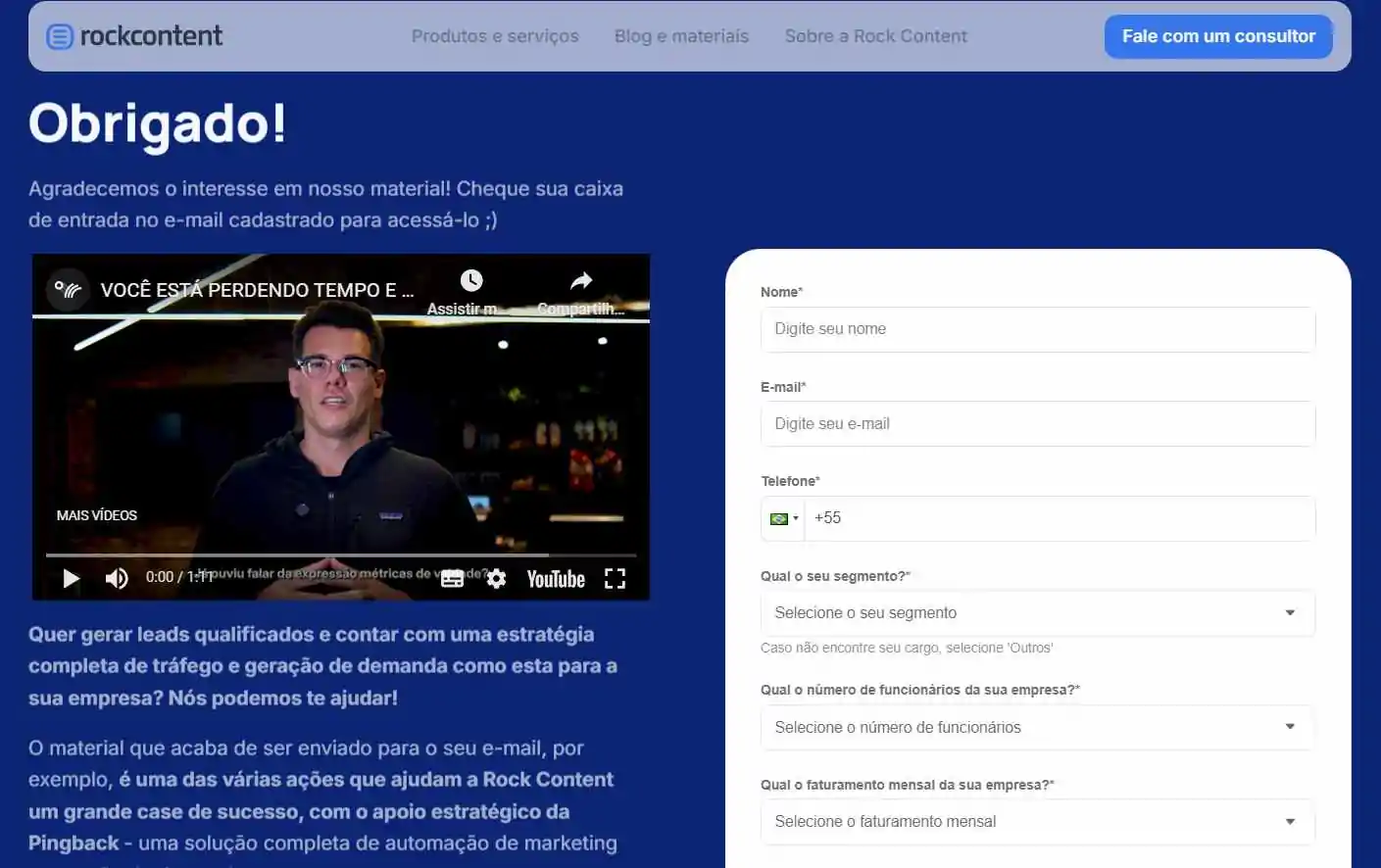
This is an example from Rock Content. When you download a piece of material, the thank you page gives you the chance to talk to experts on the subject with a new contact form!
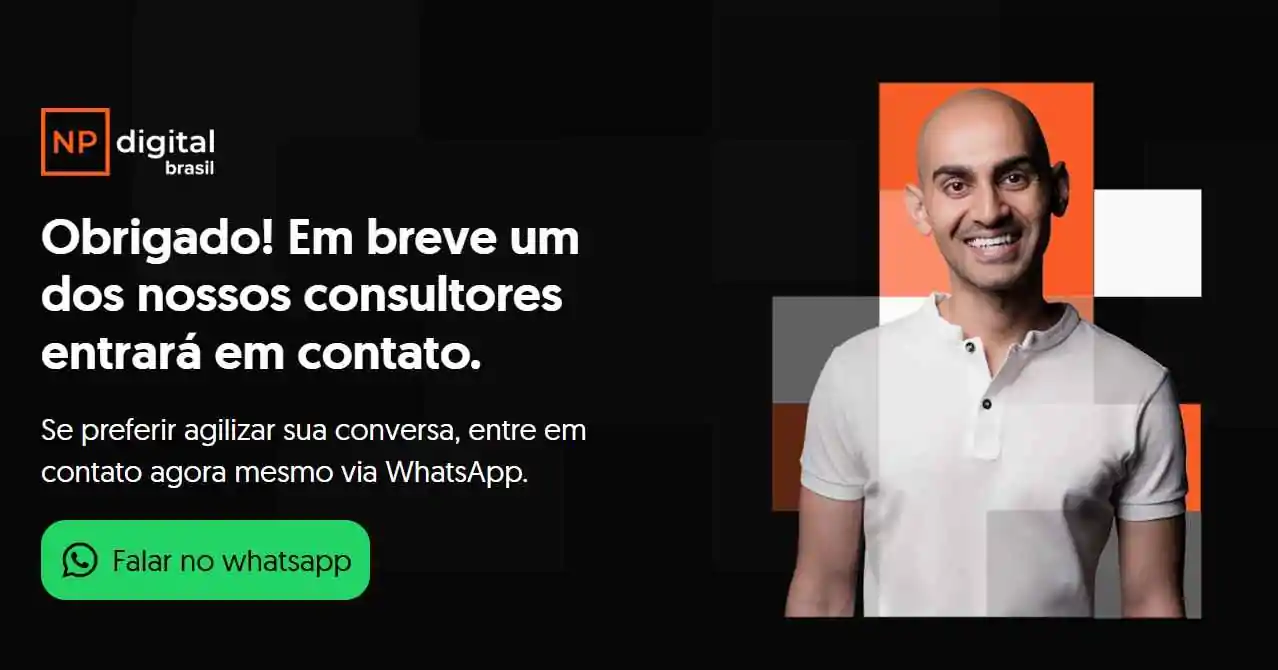
Neil Patel Digital uses a minimalist look with the option to get in touch via WhatsApp.

Hotmart's thank you page is also minimalist, branded and offers users more than one option. The first is to download the content.
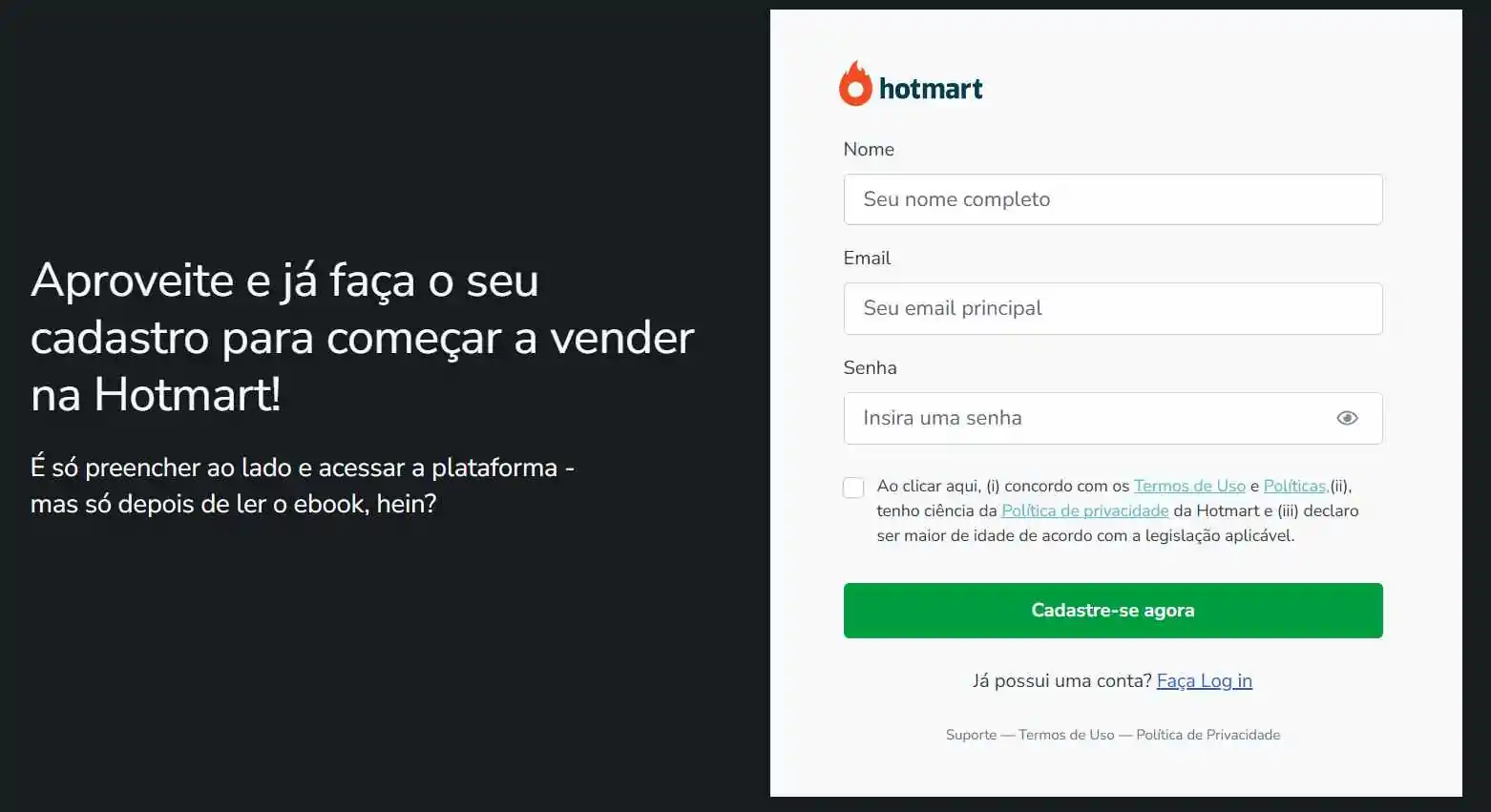
The second step is to register on the platform to become a affiliate or producer. The company doesn't waste any time, does it?
Final thoughts: Turn your thank you page into a retention and sales strategy
Thank you pages are not just a courtesy step, they are a valuable opportunity to engage, build loyalty and convert even more. By applying strategic elements and avoiding the most common mistakes, you can turn this space into a powerful extension of your marketing funnel.
There are many tools for creating thank you pages if you don't have much experience in this area. But the good news is that you can count on the great professionals at UpSites to help you!
Ready to create a thank you page that really makes a difference? Count on UpSites to turn ideas into incredible results!
Frequently Asked Questions
What is a Thank You Page and why is it important?
A Thank You Page is the page a visitor sees after completing an action on your website, such as filling in a form or finalizing a purchase. It is not only a confirmation that the action was successful, but also a strategic tool for strengthening customer relations. As well as saying thank you, it can direct the user to new opportunities, such as finding out more content, sharing feedback or making a new conversion.
What should be included on a thank you page?
An effective thank you page should contain:
- Personalized thank you message: as “Thank you, [Name]! Your request has been successfully received.”
- Call to action (CTA): suggest the next step, such as downloading other material, following your brand on social networks or exploring other services.
- Social proof: testimonials or reviews to increase trust.
- Consistent visual identity: reinforcing the trust and credibility of your brand.
These elements help to engage the visitor and improve their experience.
What is a card thank you URL and how do I use it?
A card thank-you URL is the page that the customer is redirected to after completing a credit card transaction. This page confirms the successful payment and is an opportunity to reinforce the customer's trust, offer exclusive bonuses, or even invite them to share the experience on social media. To set it up, simply enter the URL in your platform's payment panel, ensuring clear and personalized communication.

Lucas Pelisari
Lucas Pelisari has been an SEO and content specialist at UpSites for over 6 years, working on the creation and optimization of digital strategies focused on lead generation and organic growth.With experience in website development projects, on-page SEO and link building, he works directly on structuring content and pages aimed at positioning on Google and acquiring qualified traffic.Throughout his career, he has worked on projects for companies such as Kommo, Aldanth, Physical Care, In4, Design.com, Adaptive, Clipto and YeSim, as well as several other clients served by UpSites.He works on projects in different niches, including technology, SaaS, services and local businesses, with a focus on performance, conversion and scalability.Her work is directly linked to lead growth and increased organic visibility, with projects that have seen consistent traffic gains after implementing SEO and content strategies.His content covers topics such as professional website creation, SEO, page structure, performance, user experience and digital growth strategies, always with a practical approach based on real market scenarios.Professional networks:LinkedIn: https://www.linkedin.com/in/lucas-widmar-pelisari-78920033/Instagram: https://instagram.com/lucaswidmar
See all posts


 Calculate Price Now