

Outdated Website: What to Do and How to Avoid This Problem?
Summary (TL;DR)
In this blogpost, we'll explore why keeping your website up to date is essential in the digital world. We'll cover how an outdated website can damage your brand, affecting user experience, SEO and even business credibility.
We will discuss the importance of modernizing elements such as design, content and functionality to ensure that your company remains relevant and competitive.
We will also present practical strategies for identifying problems, carrying out effective updates and implementing maintenance routines that prevent the site from becoming outdated.
You'll see how simple adjustments can turn your page into a powerful tool for attracting and converting customers, guaranteeing consistent results in the digital environment. Let's go?
Quick access
- How can an outdated website harm your company?
- What to do when your website is out of date?
- How can you prevent your website from becoming outdated?
- Practical tips to keep your site relevant
- Tools that can help keep your site up to date
- Examples of success: companies that have kept their websites up to date
- Final considerations: Outdated website
In the dynamic world of the internet, having a outdated website is like using a push-button cell phone in the age of smartphones: it simply doesn't meet expectations. It not only damages your brand image, but also directly affects your ability to attract and convert customers. After all, it's your business's digital business card.
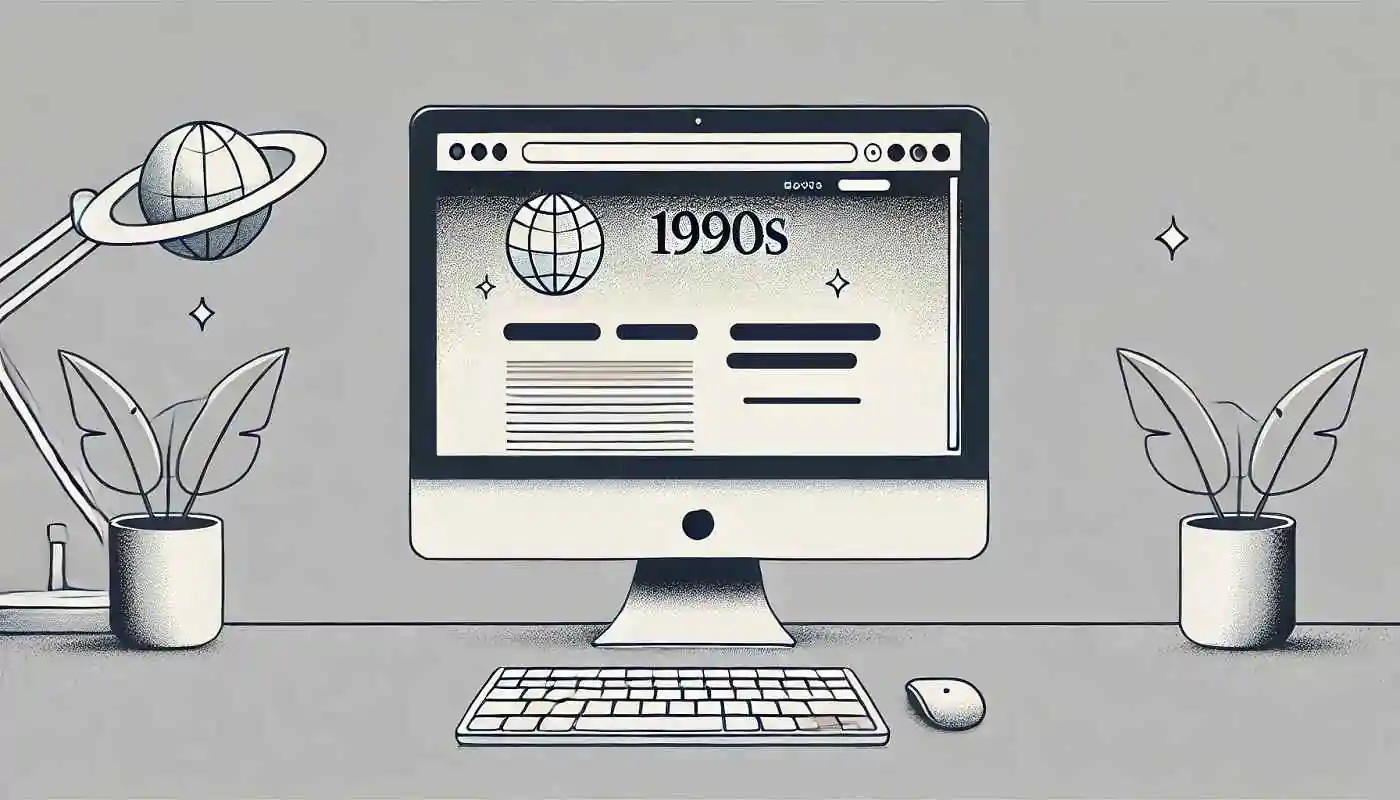
And, let's face it, nobody trusts a website that looks like it's straight out of the 2000s.
According to a survey of 145 companies in 2024, only 20% of them have made minor updates to their website in the last year, while 49% have opted for a complete overhaul in the previous two years. Interestingly, around 20% completely redesigned their websites 3 or 4 years ago.
This shows that modernization is not just a question of aesthetics, but a necessity in order to remain relevant in the digital market.
So, if you're wondering “how to update a website” effectively, the answer is simple: start by analyzing current performance and identify the points that need improvement. Whether it's design, content or functionality, small changes can make all the difference. We'll tell you all about how to do it!
How can an outdated website harm your company?
An outdated website has a direct impact on user experience, and not in a positive way. Confusing layouts, complicated navigation and irrelevant content cause visitors to abandon your page in seconds.
What's more, with so many sites offering incredible experiences, the modern user won't hesitate to choose the competition.
Another major problem is the search engine ranking. Outdated websites often have technical flaws, such as slow loading times, and may not even be responsive for mobile devices.
This affects SEO (search engine optimization) and causes your site to disappear from the first pages of Google, reducing your online visibility.
And, of course, we can't ignore the loss of credibility. A website that doesn't convey trust and professionalism is a real conversion repellent. Imagine that a potential customer enters your site and finds broken links or an outdated design. They will probably question the quality of your products or services and, worse still, may decide to do business with your competitor.
These are the problems of an outdated website that you definitely don't want to face.
What to do when your website is out of date?
The first stage is identify what needs to be adjusted and create an action plan. There are 3 strategies for updating your website that should be part of your checklist. Check them out:
1. identify the critical areas
The first step in website maintenance is to assess what is really out of date. In terms of design, assess whether layout is modern and functional. Make sure it is responsive for mobile devices. A site with an outdated look or confusing navigation can drive visitors away before they even interact with your content.
What's more, analyze the content. Outdated information, generic text and poor quality images can all detract from the user experience. Don't forget about technology: check that the website management system is up to date and that its functionalities meet current demands, such as integration with marketing or automation tools.
2. Update basic information
Maintain essential information such as contact details, services and up-to-date products is indispensable. A common mistake on outdated websites is to display old phone numbers or e-mail addresses that no longer work. These flaws can frustrate potential customers and cause you to miss out on business opportunities.
Also, review the services and products section. Make sure it accurately reflects what your company currently offers. Adding clear descriptions and high-quality images is a simple but effective way to increase credibility and engagement on the site.
3. Carry out a technical audit
A technical audit is essential to identify hidden problems that affect the site's performance. Evaluate the page loading speed, slow sites not only irritate users, but also damage search engine rankings. SEO should also be reviewed, ensuring that titles, descriptions and keywords are in line with current best practices.
Another critical point is security. Make sure the site uses SSL certificates and is protected against cyber attacks. These measures not only protect user data, but also increase trust in your brand.
Incorporating these website maintenance is essential to guarantee an optimized and secure experience for your visitors.
How can you prevent your website from becoming outdated?
To prevent your website from falling into oblivion, create routines for reviewing and adjusting content, design and technical aspects. This ensures that it remains relevant to the public and competitive in the market.
Here are some tips for maintain website updated in an effective and practical way:
Create a schedule for regular updates
Establish a schedule for review elements of the site regularly, Such as content, design and functionality. Quarterly or biannual updates help to correct problems, maintain accurate information and identify opportunities for improvement before visitors notice flaws.
Invest in content management tools (CMS)
A good CMS makes it easier to update the site, This allows for quick and intuitive changes without the need for advanced programming skills. Tools such as WordPress, Wix or Joomla offer customizable features that help keep your site organized and always up to date.
Automate security updates and plugins
Automate security updates and plugins is an efficient way of avoiding vulnerabilities. Many content management systems allow you to configure these updates automatically, reducing the risk of security breaches and ensuring stable performance.
Monitor trends and update the design regularly
Follow design trends and user experience to ensure that your website remains modern and attractive. Regular visual adjustments, such as changes in layout or colors, show that your company is in tune with the market and conveys an image of innovation.
Practical tips to keep your site relevant
Maintaining a relevant website requires a balance between quality content, good usability and performance analysis. These actions help to engage the public and position your brand as a benchmark in the segment.
Here are some tips for keeping your site up to date and relevant:
Produce new content regularly
An active blog or a news section on the site are interesting ideas for keeping the site up to date and relevant. Publishing articles, case studies or industry news attracts repeat visitors and improves search engine rankings.
What's more, fresh content help educate and engage the public, highlighting your brand as an authority on the subject. Invest in an editorial calendar to ensure consistency and relevance in your publications.
Carry out usability tests and optimize the user experience
User experience is one of the pillars of a website's success. Carrying out regular usability tests helps to identify friction points, such as confusing navigation or complicated forms.
Based on the results, implement adjustments to make the site more intuitive and accessible. The easier it is for visitors to interact, the greater the chance of conversion.
Track performance and engagement metrics
Tools such as Google Analytics provide important data on your site's performance. Monitor metrics such as bounce rate, average time on page and traffic source to understand visitor behavior.
This data makes it possible to adjust strategies and optimize the site on an ongoing basis, ensuring that it meets public expectations and maintains its relevance in the market.
Tools that can help keep your site up to date
Keeping a website up to date requires not only planning, but also the right tools to make the process easier. With the help of technological solutions, you can save time and avoid errors that compromise your site's performance and security. Check out some of the main options:
Automation plugins for CMS
If you use platforms like WordPress or Joomla, automation plugins are great allies. Tools such as Yoast SEO help optimize content, while plugins such as WP Rocket improve site speed. These solutions allow you to automate important tasks such as SEO updates and cache cleaning.
Performance monitoring platforms
Monitoring your site's performance in real time is essential for identifying problems quickly. Tools such as Google Analytics, Hotjar e SEMrush offer information on traffic, user behavior and technical performance, helping you to keep your site relevant and functional.
Security software and automatic backups
Nothing is more frustrating than losing data due to a lack of backups. Tools such as UpdraftPlus, automate the creation of copies of site security, while services such as Sucuri e Cloudflare protect against cyber attacks, ensuring that the site remains secure and available.
Examples of success: companies that have kept their websites up to date
Companies that invest in continually updating their websites reap impressive results. One example is Amazon, which constantly tweaks its interface to improve the user experience and increase conversions.

Another success story is that of Netflix, which invests in A/B testing and frequent design updates to ensure that the platform remains intuitive and modern. These practices reinforce the importance of following trends and using tools to update websites.

Final considerations: Outdated website
Keeping your website up to date is not just an aesthetic issue, it's an essential strategy for the growth of your business. A modern, functional website attracts more visitors, improves the user experience and increases the chances of conversion.
If you want to ensure that your website is always ahead of the competition, you can count on solutions from UpSites. Let's transform your online presence together and achieve incredible results!
Frequently Asked Questions
Why is it important to keep a website up to date?
Maintaining an up-to-date website is essential to guarantee a good user experience, improve search engine rankings and convey credibility. Outdated sites can have an outdated design, broken links and incorrect information, driving away potential customers and damaging your brand's image. In addition, frequent updates help to keep the site secure and functional, protecting it from vulnerabilities.
How can I tell if my site is out of date?
You can identify an outdated website by analyzing aspects such as visual design, loading speed, responsiveness on mobile devices and accuracy of information. If the layout looks old-fashioned, the site takes a long time to load or doesn't work well on smartphones, it's time for an update. Checking for technical errors, such as broken links or inoperative functionalities, is also crucial to determining whether the site needs improvement.
What strategies can I use to update my site?
Updating a website effectively involves three main steps:
- Assess critical areas: Identify problems in design, content and functionality.
- Review basic information: Make sure your contacts, services and products are up to date.
- Carry out a technical audit: Solve speed, SEO and security problems. These actions not only improve the appearance and functionality of the site, but also help to attract and engage visitors.
How can I prevent my site from becoming outdated in the future?
To prevent your site from becoming outdated, create a schedule of periodic revisions for content, design and functionality. Invest in a content management system (CMS) to facilitate quick and automatic updates. In addition, keep up with design and technology trends, making small adjustments regularly to ensure that the site remains modern, attractive and competitive.

Lucas Pelisari
Lucas Pelisari has been an SEO and content specialist at UpSites for over 6 years, working on the creation and optimization of digital strategies focused on lead generation and organic growth.With experience in website development projects, on-page SEO and link building, he works directly on structuring content and pages aimed at positioning on Google and acquiring qualified traffic.Throughout his career, he has worked on projects for companies such as Kommo, Aldanth, Physical Care, In4, Design.com, Adaptive, Clipto and YeSim, as well as several other clients served by UpSites.He works on projects in different niches, including technology, SaaS, services and local businesses, with a focus on performance, conversion and scalability.Her work is directly linked to lead growth and increased organic visibility, with projects that have seen consistent traffic gains after implementing SEO and content strategies.His content covers topics such as professional website creation, SEO, page structure, performance, user experience and digital growth strategies, always with a practical approach based on real market scenarios.Professional networks:LinkedIn: https://www.linkedin.com/in/lucas-widmar-pelisari-78920033/Instagram: https://instagram.com/lucaswidmar
See all posts


 Calculate Price Now