

Landing Page Optimization: 4 Winning Strategies to Increase Conversions
Summary (TL;DR)
In this blogpost, we'll cover how optimizing landing pages can transform the results of your digital campaigns. We'll discuss the importance of creating strategically designed pages to attract visitors, guide them through the content and convert them into leads or customers.
We'll explain how to calculate the conversion rate, analyze metrics and make continuous adjustments to maximize return on investment.
You'll also find practical tactics for creating action-oriented designs, writing persuasive texts and using social proof and trust elements. We'll explore strategies such as A/B testing and competitor analysis to improve the performance of your pages.
Finally, we'll look at examples of success and the most common mistakes to avoid when creating optimized landing pages.
Quick access
- Why is optimizing your landing page essential for increasing conversions?
- Strategy 1: Create an action-oriented design
- Strategy 2: Persuasive copywriting and a powerful call to action
- Strategy 3: A/B testing and metrics analysis
- Strategy 4: Social proof and elements of trust
- Examples of landing pages that apply these strategies
- Common landing page optimization mistakes (and how to avoid them)
- Final thoughts: Build landing pages that convert efficiently
A landing page optimization is one of the most important factors in achieving significant results in digital campaigns. A well-structured landing page is capable of attracting the visitor's attention, guiding them through the content and ultimately converting them into a lead or customer. Although the standard conversion rate is between 2% and 5%, achieving rates above 11% is considered a real sales success.
A good place to start is by finding out how many visitors your sales page converts into leads. To calculate the conversion rate, you need to divide the number of converted visitors by the total number of visitors who accessed the page and then multiply the result by 100.
For example, if 500 people visited your page and 50 of them took the desired action, your conversion rate would be 10%. This metric is essential for evaluating the effectiveness of your page and adjusting strategies to obtain better results.
If you want to improve your conversions and make the most of every visit to your site, check out this article on how to turn your landing page into a conversion machine. We'll learn practical tactics for achieving higher conversion rates and optimizing every detail of your page!
Why is optimizing your landing page essential for increasing conversions?
A landing page optimization is not just good practice, it's indispensable for increasing return on investment (ROI) in digital campaigns. Optimization means reviewing elements such as design, content and calls to action based on real data and evidence of audience behavior. This eliminates the “guesswork” factor and ensures that every improvement made is aimed at increasing conversions.
Even before you publish your page, you can start gathering important information. Researching your target audience, for example, helps identify preferences, pains and expectations that can be worked into the content and page design. In addition, competitor analysis can provide data on what works - and what to avoid - in your niche.
Don't expect to create the perfect optimized landing page right away. The key to increasing conversion on landing pages lies in constant adjustments. Publish the page, monitor the results, test different elements and keep refining what works best. It's an ongoing process which, when done well, turns visitors into leads and leads into customers.
Shall we get started?
Strategy 1: Create an action-oriented design
O landing page design is one of the most important pillars for attracting the visitor's attention and guiding them to conversion. A clear, responsive and action-oriented interface eliminates visual barriers and keeps the focus on what really matters: encouraging the visitor to take the desired action.
It's also important to have a design that adapts to different devices, since a large proportion of traffic comes from mobile devices.
Another point is simplify navigation. An efficient landing page must have a single objective, and that means eliminating distractions. Unnecessary links, too much information or confusing visual elements can divert the visitor's attention. The more direct and intuitive the experience, the greater the chances of conversion.
By using landing page strategies, such as prioritizing a clean and prominent layout, you create a fluid experience that leads the user to the CTA (call to action). Every element on the page should work towards this goal, from the choice of colors to the position of the action buttons.
Strategy 2: Persuasive copywriting and a powerful call to action
A writing a landing page is responsible for communicating the message clearly and persuasively. More than describing an offer, it is essential to highlight the real benefits that the visitor will get from taking action. Use simple but powerful language that connects the solution presented with the needs or desires of the target audience.
CTAs are key to a successful landing page. For them to convert, they need to be direct, actionable and urgent. Phrases such as “Download now”, “Secure your place” or “Transform your routine today” encourage the user to act immediately. In addition, using visually striking buttons reinforces the importance of CTA.
Following these landing page tips, such as personalizing communication and testing different text variations, can make all the difference to results. A well-planned approach turns words into conversions, leading the visitor safely to the expected action.
Strategy 3: A/B testing and metrics analysis
A continuous improvement of a landing page is to carry out A/B tests. This strategy allows you to compare variations of page elements - such as headlines, images and CTAs - to identify which generate the best results. For example, a more direct headline can capture the attention of a specific audience, while a different image can create more of an emotional connection.
Tools such as Optimizely e Unbounce are excellent for applying tests and analyzing data in a practical way. In addition to A/B testing, it's important to track metrics such as conversion rates, length of stay and clicks on the CTA.
By investing in improving landing page performance, you ensure that each update is based on concrete evidence. This interactive approach increases page efficiency and keeps performance in line with audience expectations.
Strategy 4: Social proof and elements of trust
Nothing is more powerful in convincing a visitor than proof that other people have already trusted and benefited from your offer. Testimonials, case studies and impact figures are excellent examples of how to improve landing pages with elements of trust. By including this social proof, you reduce uncertainty and increase the credibility of your brand.
Another important factor is to reinforce site security and reliability. Guarantee seals, SSL certificates and privacy policies are elements that reassure the visitor and remove barriers to conversion. A “safe purchase” or a money-back guarantee are also details that make a difference.
By combining social proof and security elements, your landing page conveys authority and solidity. This helps not only to convert more visitors, but also to build a relationship of trust with your audience, strengthening your brand's reputation.
Examples of landing pages that apply these strategies
Now that we've seen powerful strategies for optimizing your landing page, it's time to check out examples of effective landing pages that put these practices into action. With focused designs, persuasive copywriting and elements of trust, these pages show how it is possible to turn visitors into customers with a strategic and well-executed approach.
Let's start with the UpSites sales page, for Low-cost Website Design!
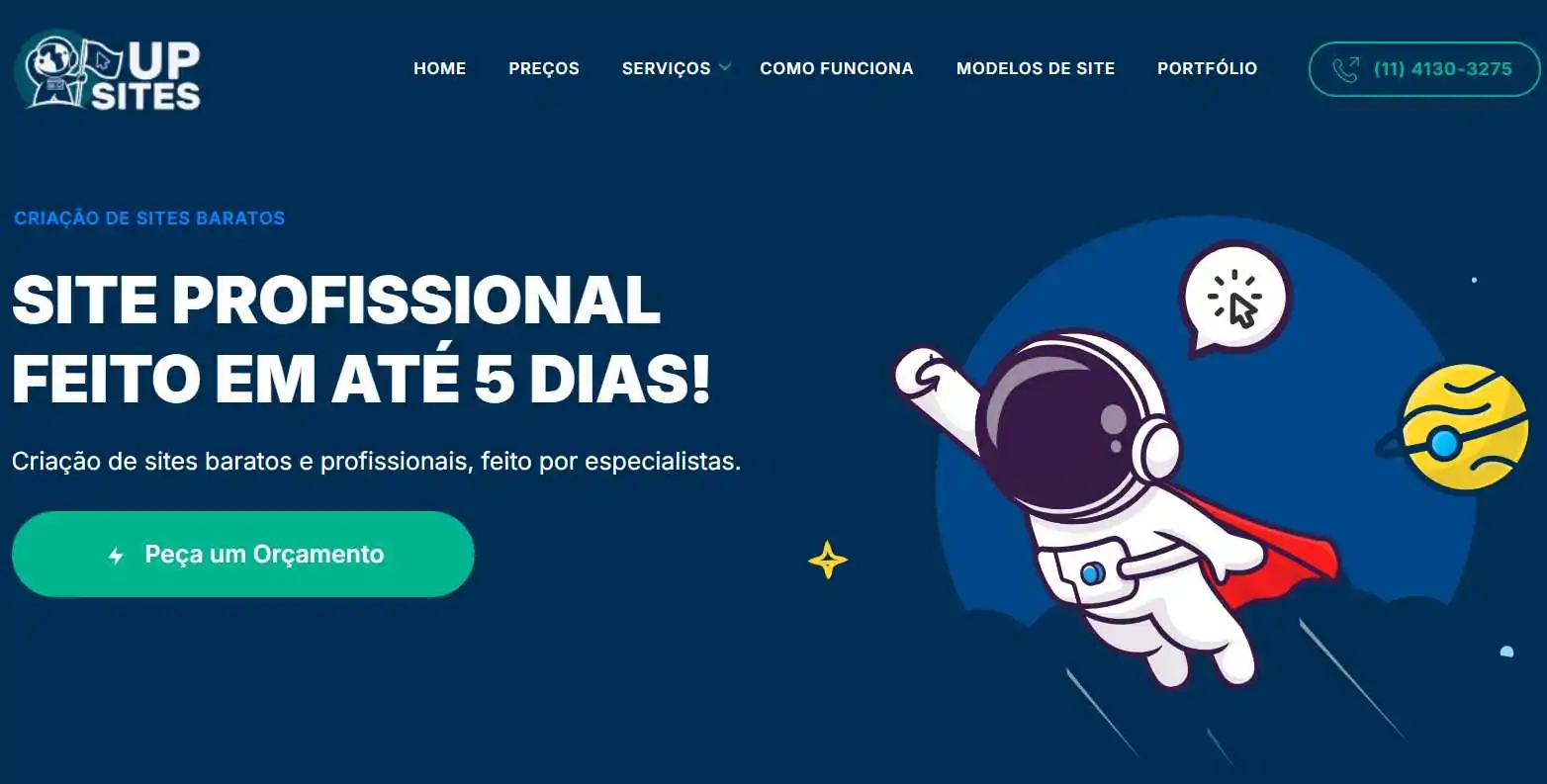
Our page starts with a catchy title and an action button.
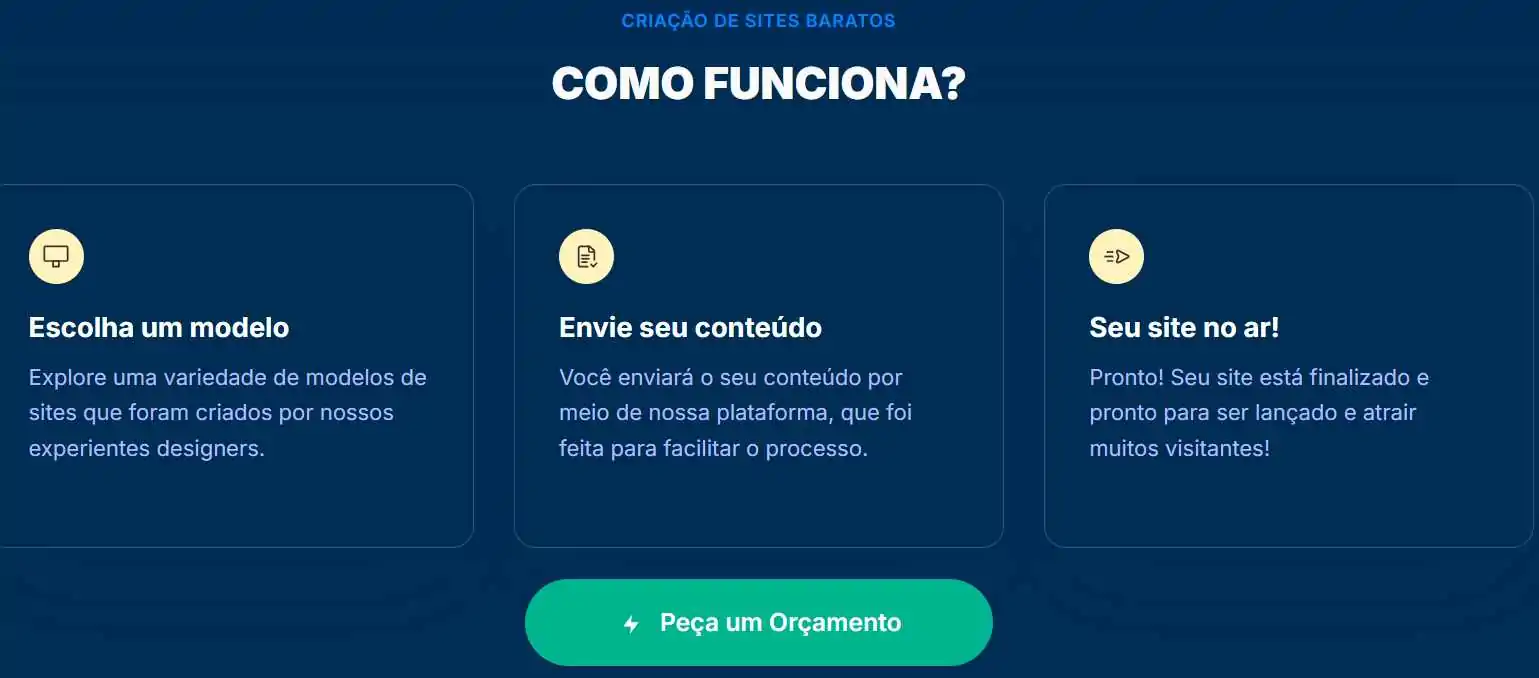
We provide information on how it works, to eliminate possible doubts and we continue with the main information that the persona is looking for, such as models, examples and information that breaks down their fears of hiring the service.
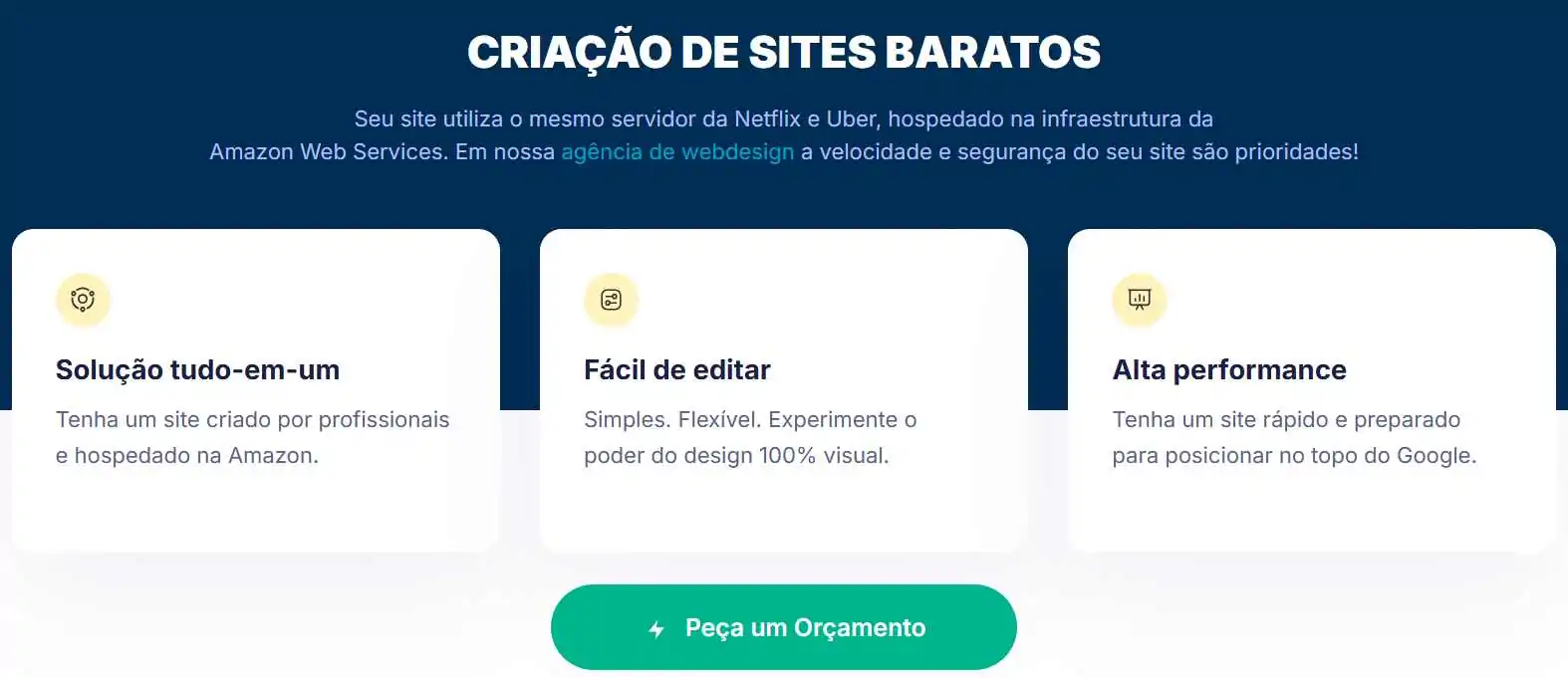
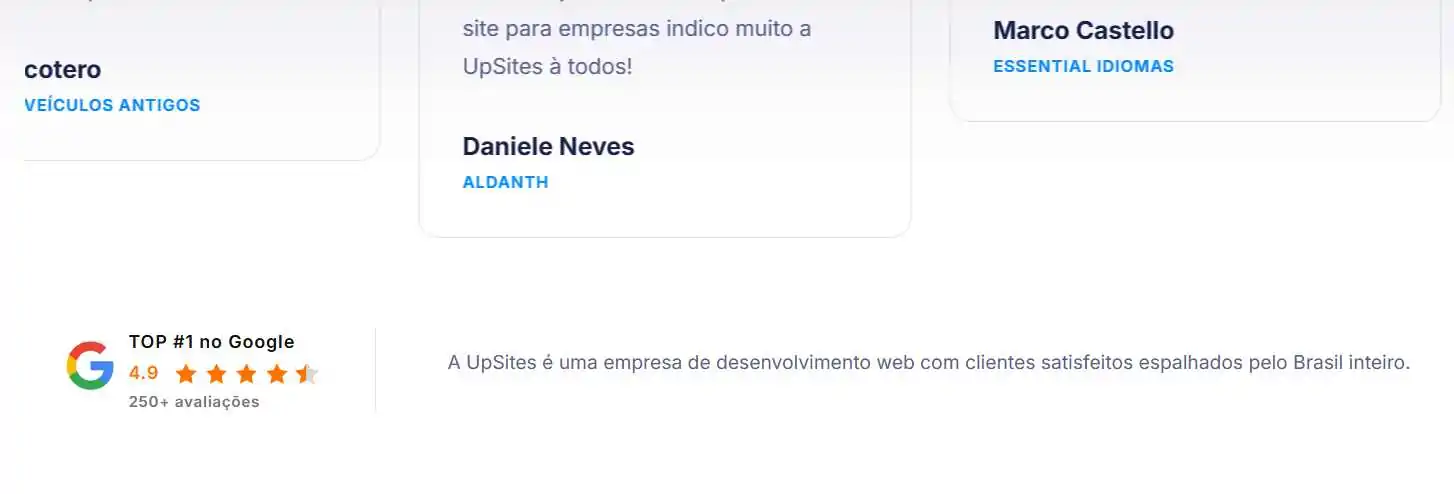
Our page also has testimonials, which are important for activating the social proof trigger, as well as the Google seal, which brings credibility and trust.
Now take a look at this example of the website we created for the psychologist Alessandra Figaro Krasauskas. The site's homepage is the clinic's postcard, all designed for conversion:
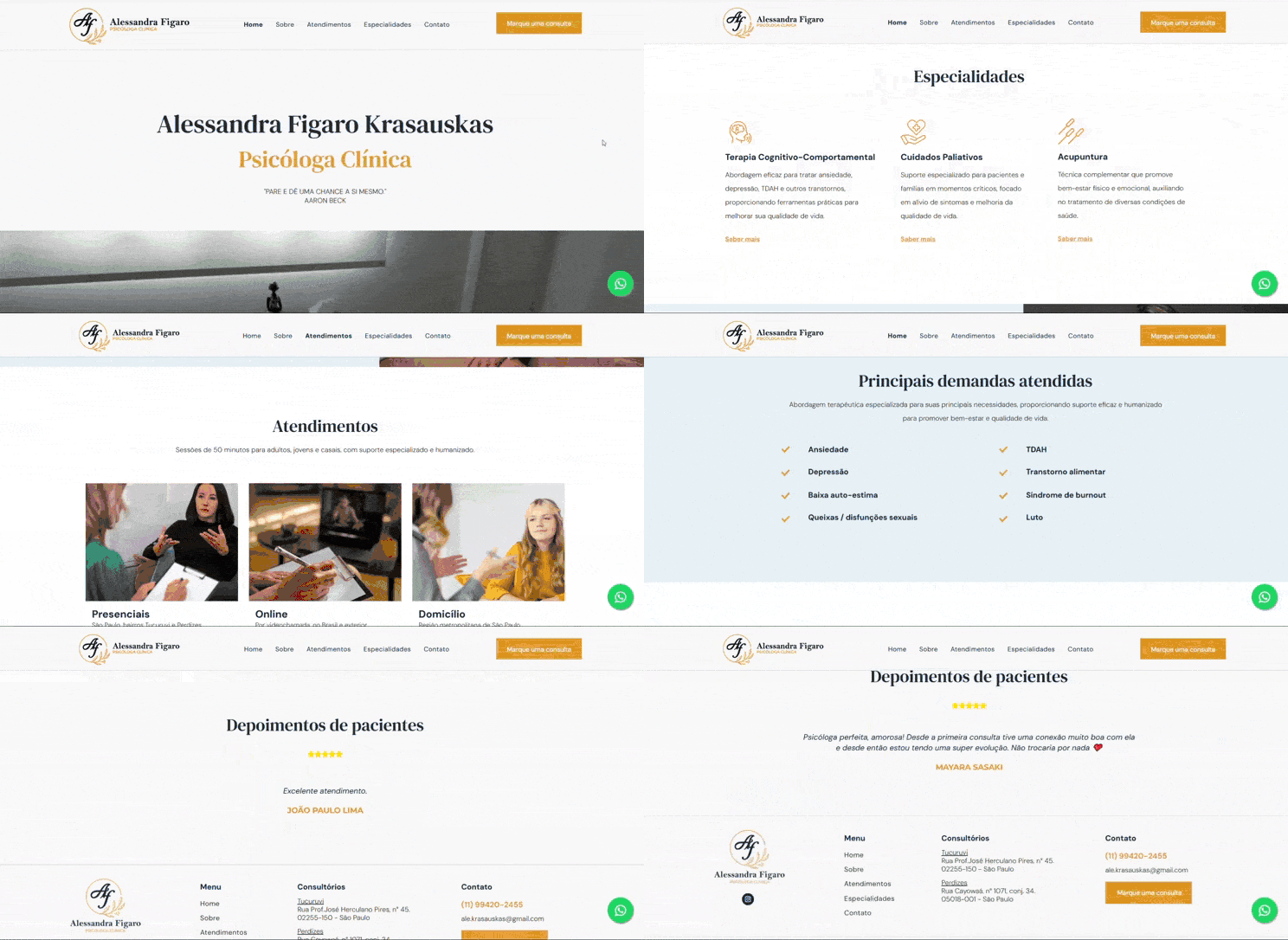
From the site title to the footer, all the elements guide the user through the customer journey and as a result, deliver conversions and an engaged audience!
Common landing page optimization mistakes (and how to avoid them)
One of the most common mistakes is overloading the landing page with unnecessary information. Long texts, too many images or disconnected visual elements can confuse the visitor and divert their attention from the main objective. To avoid this, focus on the essentials: a clear message, a direct CTA and a clean design.
Another misconception is neglect the responsiveness. With the increase in traffic coming from mobile devices, pages that don't adjust properly to different screens damage the user experience and, consequently, conversions. Make sure your landing page is fully responsive and offers fluid navigation, regardless of the device.
Ignoring the importance of A/B testing is also a critical mistake. Many landing page creators assume that a single version will suffice, but this is rarely true. Test different elements of the page, such as titles, CTAs and images, to find out what really works for your audience. Data analysis tools are key in this process.
Finally, another common mistake is not include elements of trust, Such as testimonials or security seals. First-time visitors may hesitate to act if they don't feel safe or credible. Social proof and clear guarantees help overcome these objections and make the environment more trustworthy for the user.
Final thoughts: Build landing pages that convert efficiently
Building an effective landing page isn't just about beautiful design or impactful texts, it's about aligning all the elements strategically to achieve consistent conversions.
By avoiding common mistakes and applying the strategies we've discussed, you'll be on the right track to creating pages that really deliver results.
Are you ready to optimize your landing pages and increase your conversions? Count on UpSites to develop pages that will transform your business!
Frequently Asked Questions
How to optimize a landing page to increase conversions?
To optimize a landing page and increase conversions, start with a clean, action-focused design. Use clear and visible calls to action (CTAs), persuasive text and avoid unnecessary distractions. Include elements of trust, such as testimonials or security seals, and make sure the page is responsive, adapting well to mobile devices. Finally, use A/B tests to experiment with variations in title, layout and buttons, analyzing the data to continually improve your page.
What is landing page optimization and why is it important?
Landing page optimization is the process of improving elements such as design, content and CTAs to increase the conversion rate. It's important because an optimized page helps turn visitors into leads or customers more effectively, maximizing the return on investment (ROI) in digital campaigns. In addition, a well-crafted landing page provides a positive user experience, increasing your brand's credibility.
How do I know if my landing page is good?
The best way to evaluate the performance of a landing page is to analyze metrics such as conversion rate, dwell time and number of clicks on CTAs. A conversion rate above 10% is considered excellent, but can vary depending on the sector. Tools such as Google Analytics and Heatmaps help identify points for improvement, such as areas where users click less or abandon the page.
What mistakes should you avoid when creating a landing page?
Avoid including too much information or visual elements that could distract the visitor. Focusing only on design without considering functionality is another common mistake. Make sure the page is responsive, loads quickly and has a single clear objective. Don't underestimate the importance of A/B testing and always include social proof and trust elements to increase the page's credibility.

Lucas Pelisari
Lucas Pelisari has been an SEO and content specialist at UpSites for over 6 years, working on the creation and optimization of digital strategies focused on lead generation and organic growth.With experience in website development projects, on-page SEO and link building, he works directly on structuring content and pages aimed at positioning on Google and acquiring qualified traffic.Throughout his career, he has worked on projects for companies such as Kommo, Aldanth, Physical Care, In4, Design.com, Adaptive, Clipto and YeSim, as well as several other clients served by UpSites.He works on projects in different niches, including technology, SaaS, services and local businesses, with a focus on performance, conversion and scalability.Her work is directly linked to lead growth and increased organic visibility, with projects that have seen consistent traffic gains after implementing SEO and content strategies.His content covers topics such as professional website creation, SEO, page structure, performance, user experience and digital growth strategies, always with a practical approach based on real market scenarios.Professional networks:LinkedIn: https://www.linkedin.com/in/lucas-widmar-pelisari-78920033/Instagram: https://instagram.com/lucaswidmar
See all posts


 Calculate Price Now